Harnessing Nature: Effective Herbal and Holistic Remedies for Anxiety Relief
Anxiety and stress are the silent killers; most of us struggle with these every day. Whether it be work, illness, or the world we live in, we all fight our own mental battles and demons, but did you know there are other ways to lessen the impact it makes in our daily lives naturally through herbal wellness, red light therapy, breathwork and conscious breathing, grounding, and sea salt therapy (Halotherapy). Simple adjustments to our days can make a major impact on our mood, energy levels, mental clarity, and perception!
While medications and therapy are common treatments, many seek holistic remedies for anxiety naturally to support mental health without side effects. I’ve explored several evidence-based herbal and holistic approaches that can help ease anxiety and stress. I have included the most effective and widely used in this article. These methods offer a gentle, natural way to support your mind and body, backed by clinical studies and scientific research. If you're interested in taking it a step further and learning more, do some research on this topic using a scholar-based search engine to find more traditional remedies and treatments for your mental wellness!
Botanicals That Calm the Mind
Herbal medicine has a long history of use for anxiety and stress relief. Many plants contain compounds that influence brain chemistry, promoting relaxation and reducing nervous tension. Here are some of the most effective and most researched herbs with proven benefits:

Lavender
Lavender is widely studied for its calming effects. A 2017 clinical trial published in Phytomedicine found that oral lavender oil capsules significantly reduced anxiety symptoms in patients with generalized anxiety disorder. Lavender’s aroma also activates the parasympathetic nervous system, helping to lower heart rate and blood pressure.
Ashwagandha
This adaptogenic herb helps the body manage stress by regulating cortisol levels. A 2019 study in the Journal of Clinical Psychiatry showed that ashwagandha supplementation reduced stress and anxiety scores in adults under chronic stress.
Passionflower
Passionflower extract has been shown to improve sleep quality and reduce anxiety. Research in Phytotherapy Research demonstrated that passionflower was as effective as some prescription medications for generalized anxiety, without causing sedation.
Chamomile
Chamomile tea is a popular natural remedy for relaxation. A 2016 randomized controlled trial in The Journal of Clinical Psychopharmacology found chamomile extract reduced moderate to severe generalized anxiety disorder symptoms.
These herbs can be consumed as teas, tinctures, or supplements. Always consult a healthcare provider before starting new herbal treatments, especially if you take prescribed medications.
I always recommend buying quality organic 3rd party tested herbs, ensuring there is no heavy metals, chemicals, or preservatives! This brand of botanicals is my go to everytime!⬇️
Red Light Therapy for Stress and Anxiety
Red light therapy (RLT) uses low-level wavelengths of red or near-infrared light to stimulate cellular function and promote healing. It’s gaining attention as a holistic mental health support tool for anxiety and stress relief.
We personally have this one for knees:➡️https://amzn.to/4s4YGMF
There’s also:
Panel Lamp ➡️https://amzn.to/46oyftb
Multipurpose Pad ➡️https://amzn.to/4ayXU4J
Multipurpose Wrap ➡️https://amzn.to/4cHlRbp

How It Works
RLT penetrates the skin and affects mitochondria, the energy producers in cells. This boosts ATP production, which supports cell repair and reduces inflammation.
Lower inflammation and improved cellular energy can positively affect brain function and mood regulation.
Research and Benefits
A 2020 pilot study published in Photobiomodulation, Photomedicine, and Laser Surgery found that RLT improved mood and reduced anxiety symptoms in patients with generalized anxiety disorder after four weeks of treatment.
Another study in Lasers in Medical Science showed that RLT reduced cortisol levels, the hormone linked to stress, helping participants feel calmer and more relaxed.
Practical Use
RLT devices are available for home use, often as panels or handheld units.
Sessions typically last 10-20 minutes, 3-5 times per week. It’s non-invasive and painless, making it an appealing option for those seeking natural remedies for stress.
Sea Salt Therapy and Its Calming Effects
Sea salt therapy, also known as halotherapy, involves inhaling salty air in controlled environments. This practice mimics the natural microclimate of seaside locations, which many find soothing for respiratory and mental health.

How Sea Salt Therapy Helps
The salty air contains negatively charged ions that may improve mood by increasing serotonin levels. Serotonin is a neurotransmitter that regulates mood, sleep, and anxiety. Additionally, breathing in salt particles can clear airways, improving oxygen flow and relaxation.
While traditionally rooms/caves are used in this technique, you can create the environment right at home in a variety of ways that work for you and your available materials!
Salt Steam Inhalation Bowl
One of the simplest ways to experience salt inhalation is through steam therapy.
How to do it:
Fill a large bowl with hot (not boiling) water
Add 1–2 tablespoons of fine sea salt or Himalayan salt
Lean over the bowl at a safe distance
Drape a towel over your head and breathe for 5–10 minutes
This method creates warm saline vapor that can feel soothing and relaxing, especially during dry seasons.
Passive Salt Bowl Room Setup
For a subtle approach, you can create a salt-rich atmosphere in your living space.
How to do it:
Place a decorative bowl filled with coarse salt near your bed or workspace
Optionally add a drop of calming essential oil for ambiance
While effects are gentle, this method can support relaxation and create a spa-like atmosphere.
Salt Lamp Relaxation Space
Salt lamps are frequently used to complement wellness rituals and create a soothing environment.
How to use:
Place a salt lamp in areas where you unwind (bedroom, reading corner, meditation space)
Pair with breathing exercises, journaling, or tea rituals
Personal Salt Inhaler Device
A personal salt inhaler is the closest at-home option to professional halotherapy.
How to use:
Purchase a salt inhaler or handheld halotherapy device
Follow manufacturer instructions
Use for short daily sessions
These devices contain salt crystals that air passes through during inhalation, offering a more structured home halotherapy experience. Click the link to see a great option! ⬇️
Scientific Support
A 2018 study in Environmental Science and Pollution Research reported that halotherapy reduced symptoms of anxiety and depression in participants after several sessions.
Research in the International Journal of Environmental Research and Public Health found that salt therapy improved sleep quality, which is closely linked to reduced anxiety.
What to Expect
Halotherapy sessions usually take place in salt rooms or caves, where dry salt aerosol is dispersed. Sessions last about 45 minutes and can be repeated weekly. Many people report feeling calmer and more refreshed after treatment.
Breathwork and Conscious Breathing
Breathing patterns directly influence the autonomic nervous system, making breathwork one of the most accessible holistic tools.
Why it works
Slow, intentional breathing activates the parasympathetic nervous system — the body’s “rest and digest” state — reducing cortisol and heart rate while promoting feelings of safety.
Benefits
Rapid stress reduction
Improved emotional regulation
Decreased physical anxiety symptoms
Enhanced focus and clarity
How to use
Practice box breathing (inhale 4, hold 4, exhale 4, hold 4)
Extend exhalations longer than inhalations
Pair breathing with grounding practices, such as sitting outdoors
Sensory Grounding Practices
Grounding techniques anchor awareness in the present moment through physical sensation.
Why it works
Anxiety often involves future-oriented thinking and cognitive overload. Sensory experiences redirect attention to immediate environmental input, reducing rumination and promoting nervous system stabilization.

Benefits
Reduced mental overwhelm
Increased present-moment awareness
Emotional containment during stress spikes
Improved body awareness
How to
Walk barefoot on grass or natural surfaces
Hold warm beverages and focus on temperature and aroma
Engage in tactile crafts such as crochet, gardening, or baking
Grounding, sometimes referred to as earthing, is a holistic practice centered on reconnecting with the natural environment through physical contact, sensory awareness, and mindful outdoor presence. Many people turn to grounding as a gentle way to support nervous system regulation that can signal safety to the brain and encourage a shift from stress-driven activation toward a more relaxed state.
This practice may help reduce overthinking habits by drawing attention away from future-oriented worries and back into present-moment sensory experience, promoting clarity and emotional steadiness. Grounding can also support emotional stabilization during overwhelming moments by strengthening body awareness and creating a felt sense of physical support and containment.
Additionally, spending time outdoors as part of grounding routines often introduces natural light exposure and gentle movement, both of which are associated with improved circadian rhythm regulation and sleep quality. Many individuals also report mood-enhancing effects, including increased calm, improved outlook, and a greater sense of connection with their surroundings.
Through multisensory engagement — noticing textures underfoot, observing natural movement, or inhaling plant aromas — grounding practices can promote embodiment and sensory integration, helping counter feelings of disconnection or overstimulation.
When incorporated consistently into daily life, grounding becomes less of a technique and more of a lifestyle rhythm, offering a simple yet meaningful pathway toward calm, presence, and holistic wellbeing.
Combining Herbal and Holistic Approaches for Best Results
Using multiple natural methods together can enhance anxiety relief. For example, drinking chamomile tea before a red-light
therapy session or visiting a salt room after taking ashwagandha supplements may provide compounded benefits.
Tips for Integrating Holistic Remedies for Anxiety Naturally
Start with one or two methods to see how your body responds.
Maintain consistency; many herbal and holistic treatments require weeks to show effects.
Pair these remedies with lifestyle changes like regular exercise, mindfulness meditation, and a balanced diet.
Track your symptoms and progress to identify what works best for you.
Supporting Mental Health Naturally
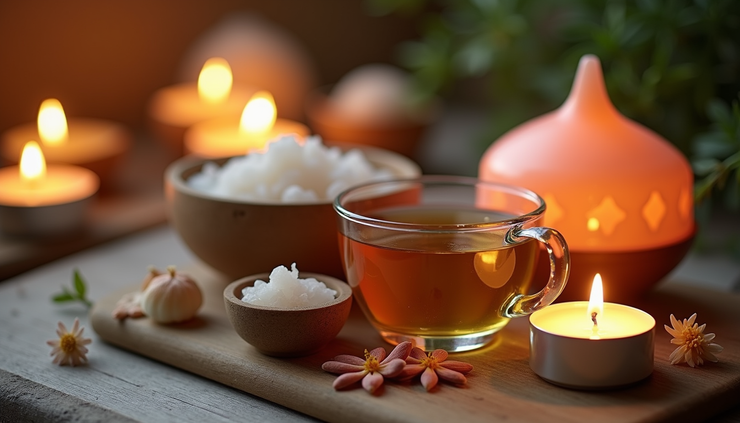
Natural remedies for stress and anxiety offer a gentle, supportive path to better mental health. While they may not replace professional treatment for severe anxiety disorders, they provide valuable tools for daily stress management and emotional balance.
By exploring herbal options like lavender and ashwagandha, incorporating red light therapy, and trying sea salt therapy, you can build a personalized routine that supports your mind and body holistically. These approaches are backed by research and clinical studies, showing real benefits without harsh side effects.


Comments